

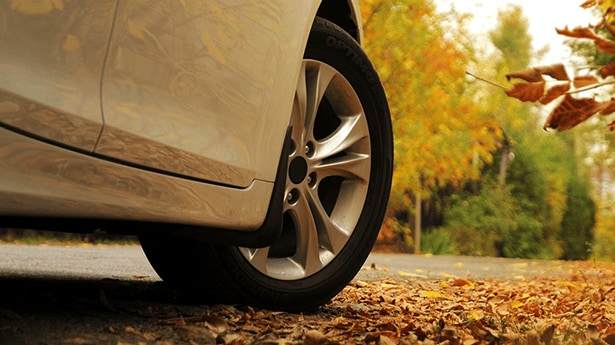
Autumn bringing cooler air and damp driving conditions across central Ohio means vehicle components face entirely new operational stress. Summer heat weakens battery chemistry and dries out rubber components under the hood, leaving belts, hoses, and wiper blades vulnerable to cracking once evening temperatures plummet. Routine maintenance before the seasonal schedule becomes crowded ensures minor mechanical wear does not escalate into an unexpected breakdown during your morning commute.
Preparing your Hyundai for Ohio autumn weather requires checking tire tread depth and cold inflation pressure, testing battery health, inspecting cooling system belts and hoses, verifying brake friction material, and testing heater and defroster operations before overnight freezes arrive. Completing these essential checks early prevents sudden cold-snap breakdowns, maintains traction on wet, leaf-covered asphalt, and ensures reliable starting during changing autumn temperatures across central Ohio.
A thorough fall preparation routine begins under the hood and extends down to the road surface. High-stress items require immediate evaluation before frost settles:
- Engine cooling system hoses and serpentine accessory belts for pliability and surface integrity
- Tire tread depth and cold inflation levels using calibrated pressure gauges
- Brake pad friction thickness, rotor smooth surfaces, and hydraulic fluid moisture absorption
- Battery cold cranking capacity, terminal cleanliness, and charging system output
- HVAC defroster heating elements, cabin air filters, and climate control blend doors
- Exterior lighting assemblies, including headlight lens clarity and bulb illumination
Carrying out these maintenance procedures preserves driving safety and protects major mechanical systems against premature wear. Drivers seeking professional inspection and factory-backed care can visit our service center location on Morse Road or give our certified repair team a quick call to discuss seasonal maintenance packages.
How Does Tire Tread Depth and Inflation Pressure Impact Wet Leaf Braking Performance?
Falling leaves combined with autumn rain create a slick surface layer on roadway pavement. Tire tread grooves serve as evacuation channels designed to pump water and debris away from the rubber contact patch. When rubber tread depth degrades down toward the legal minimum limit of 2/32 inch, the tire loses its ability to slice through organic leaf detritus and disperse surface moisture. This causes hydroplaning at reduced speeds, preventing the tire from gripping the road surface during emergency braking maneuvers.
Adequate tire tread depth channels standing water and cuts through slick, wet leaf layers, while proper cold inflation pressure keeps the contact patch flat against the road to maximize braking efficiency. When tread wears below 4/32 inch or air pressure drops due to autumnal cooling, stopping distances on slick autumn roads increase significantly.
Ambient temperature drops directly alter tire inflation pressures. Gas laws dictate that for every 10-degree drop in outside air temperature, tire pressure decreases by approximately 1 psi. A tire inflated correctly in late August can become underinflated by late October simply from seasonal cooling. Underinflation distorts the tire footprint, causing outer shoulder wear and reducing center tread contact. Modern vehicles equipped with a Tire Pressure Monitoring System alert drivers when pressure drops significantly, but proactive monthly checks with a digital gauge when tires are cold ensure optimal tire footprint and even tread wear.
Maintaining maximum grip during autumn rainstorms requires pairing healthy tread depth with properly functioning vehicle traction systems. On models equipped with HTRAC All-Wheel Drive, proper tire circumference across all four wheels ensures the electronic torque-vectoring coupling distributes power smoothly between front and rear axles without driveline binding. Replacing worn tires through our genuine parts department restores factory-specified handling characteristics. For added convenience when handling essential seasonal repairs or upgrading tires, drivers can explore options for prequalifying for service financing online before scheduling an installation appointment.
How Does Inspecting Belt Elasticity and Vital Fluids Protect Your Engine Cooling System Before Cold Snaps?
Inspecting belt and hose elasticity prevents catastrophic cooling system failure because cold ambient temperatures cause heat-degraded, hardened rubber to stiffen, crack, and leak around fitting joints during rapid thermal contraction. Ensuring proper coolant concentration, clean brake fluid, fresh engine oil, and freeze-resistant washer fluid guarantees proper thermal management and hydraulic protection when freezing weather arrives.
Under-hood rubber components endure severe thermal stress during summer operation. Engine heat, ozone exposure, and constant flexing cause rubber cooling hoses and serpentine belts to lose their natural elastomeric polymers over time. As rubber ages, it experiences micro-fissuring and hardening. When autumn brings sharp cold snaps, the rapid cooling of metal radiator barbs, thermostat housings, and engine block connections causes thermal contraction. Rigid, brittle hoses cannot flex alongside metal fittings during these temperature swings, leading to weeping coolant leaks, pinhole ruptures, or blown hose connections under system pressure.
Serpentine belts powering water pumps, alternators, and power steering mechanisms also suffer from loss of elasticity. A hardened belt loses slip resistance across smooth pulley surfaces, leading to internal belt fraying or complete snap failures. Checking belt elasticity involves depressing the belt between pulleys to verify tensioner recovery and inspecting the ribbed underside for missing ribs, glazing, or lateral cracking.
Vulnerable engine fluids require inspection before freeze-thaw cycles begin:
- Engine Coolant: A 50/50 mixture of ethylene glycol and distilled water maintains a freezing threshold down to roughly minus 34 degrees. Diluted or aged coolant allows ice crystals to form, expanding and cracking engine blocks or radiator cores.
- Engine Oil: Thermal breakdown from summer driving leaves carbon deposits and sludge. Fresh oil maintains proper viscosity during cold morning engine starts.
- Brake Fluid: Hygroscopic brake fluid absorbs atmospheric moisture. In cold weather, water trapped in brake lines lowers fluid boiling points and encourages internal caliper corrosion.
- Windshield Washer Fluid: Summer bug wash fluids freeze at 32 degrees. Switching to a high-methanol autumn washer fluid prevents reservoir cracking and line freeze-ups.
For commuters traveling along the Olentangy River corridor in Columbus, early morning valley fog and damp shaded roads make quick defroster operation and clear coolant passages essential for rapid engine warm-up and reliable cabin heat.
What Brake Checks and Climate Control Tests Are Critical Before Winding Autumn Drives?
Driving on winding, elevated roadways during fall leaf-peeping season places heightened demands on vehicle deceleration systems. Repeated downhill braking generates intense friction heat, causing thermal expansion of brake rotors and pad friction blocks. If brake pad friction material measures under 4 mm, heat transfer to the steel backing plate increases rapidly, leading to brake fade and pedal sponginess. Technicians inspect brake rotors for structural heat cracks, lateral runout, and lip grooving that could cause pedal vibration under hard application.
Critical brake checks before navigating autumn roads include measuring pad friction material to ensure at least 4 mm of thickness, inspecting rotors for heat scoring, and verifying moisture-free brake fluid. Testing climate control systems requires running both front and rear defroster circuits and heat exchangers to confirm quick windshield clearing and steady cabin heating before frost hits.
Climate control readiness goes beyond basic air conditioning performance. Autumn morning moisture rapidly condenses on interior glass when warm breath meets cool windshield surfaces. The vehicle defroster system relies on the A/C compressor operating in conjunction with the heater core to dehumidify incoming air before blowing it across the glass. Testing the system before cold mornings arrive prevents driving with compromised visibility.
Step-by-step HVAC verification involves a straightforward procedure:
- Turn the ignition on and set the climate control system to maximum defrost mode with air recirculation turned off.
- Confirm the air conditioning compressor clutch engages beneath the hood to strip humidity from the airstream.
- Feel the dashboard defrost vents to verify strong airflow across the entire width of the front windshield glass.
- Switch temperature controls to maximum heat and verify warm air exits the footwell and defrost vents within a few minutes of engine warm-up.
- Engage the electric rear window defroster and heated side mirrors, using a test light or touch check to confirm heating grid continuity.
- Remove and inspect the cabin air filter for accumulated summer dust, leaves, and organic debris that restrict blower motor volume.
Navigating the gently rolling hills near Big Walnut Creek in Gahanna requires responsive braking and ample tire tread when wet autumn leaves accumulate on curving pavement, making thorough brake pad and defroster testing vital for everyday safety.
When Should You Schedule Fall Hyundai Maintenance Before Winter Hits in Columbus?
Scheduling autumn Hyundai maintenance in early to mid-autumn before overnight temperatures regularly drop below freezing ensures vulnerable components are inspected before peak winter stress occurs. Early seasonal service gives technicians time to address worn batteries, weeping hoses, or thin brake pads before sub-zero weather creates emergency breakdowns.
Waiting until the first major winter snowstorm to schedule service often results in longer wait times at repair centers as demand spikes for emergency battery replacements and tire changes. Servicing your vehicle during mild autumn days allows technicians to conduct a multi-point inspection without rushing. Evaluating battery state-of-health, alternator charging voltage, and starter draw during moderate weather identifies chemical degradation inside battery cells before freezing temperatures reduce cranking power by up to 50 percent.
Drivers bringing their Santa Fe in for fall service usually ask whether overnight tire pressure warnings mean a puncture or just the morning temperature drop. Factory-trained technicians can quickly scan sensor data, verify cold pressure specs, and adjust inflation before minor pressure drops compromise tread life or fuel economy on models powered by a 2.5L engine or a Smartstream powertrain.
Proactive fall service offers distinct ownership benefits:
- Extends component operational life by resolving minor wear before severe weather acceleration
- Preserves vehicle fuel efficiency through correct tire pressure and clean intake air filters
- Protects long-term warranty coverage by adhering to factory-recommended service intervals, including the 10-Year / 100,000-Mile Powertrain Limited Warranty
- Ensures reliable morning cold-starts during sudden temperature drops across central Ohio
Common Questions About Autumn Hyundai Maintenance and Pre-Winter Service
Q: Which lights should I test on my Hyundai before fall?
A: Test all high-beam and low-beam headlights, front fog lamps, daytime running lights, brake lights, reverse indicators, and turn signals before fall. Shorter autumn daylight hours and frequent morning fog mean visible illumination is essential for safety. Check plastic lens covers for haze or yellowing that reduces light output. Replacing cloudy lenses or dim halogen bulbs with factory-recommended replacements ensures proper beam projection during dark autumn commutes.
Q: Should I park my Hyundai hybrid in a garage during cold Ohio nights?
A: Parking a hybrid vehicle inside an enclosed garage or sheltered structure during sub-freezing nights helps preserve high-voltage traction battery efficiency. High-voltage lithium-ion batteries experience temporary chemical sluggishness in extreme cold, which can lower initial hybrid system efficiency and delay engine shut-off during warming cycles. Keeping the vehicle sheltered reduces battery thermal shock, shortens cabin heating warm-up times, and protects charging cables on plug-in hybrid variants from frost accumulation.
Q: How can I tell if my Hyundai battery needs replacement before winter?
A: Signs of a failing battery include slow engine cranking upon startup, dimming interior lights when idling, clicking sounds when turning the key, or visible white corrosion buildup around terminal posts. Most automotive batteries have a service life of three to five years. A professional conductance test performed during seasonal service measures cold cranking amps and internal resistance, confirming whether the battery retains sufficient charge density for cold weather.
Q: What windshield washer fluid should be used during Ohio fall transitions?
A: Switch from summer bug-remover fluids to a winter-rated washer fluid with a freezing protection rating of minus 20 degrees or lower before autumn freezing temperatures arrive. Summer formulas contain high water ratios that freeze inside washer fluid reservoirs, fluid pumps, and hood spray nozzles when temperatures drop overnight. Using a winter-rated formula prevents reservoir plastic cracking and keeps washer nozzles clear to wash away road grime and salt spray.
Categories:
News